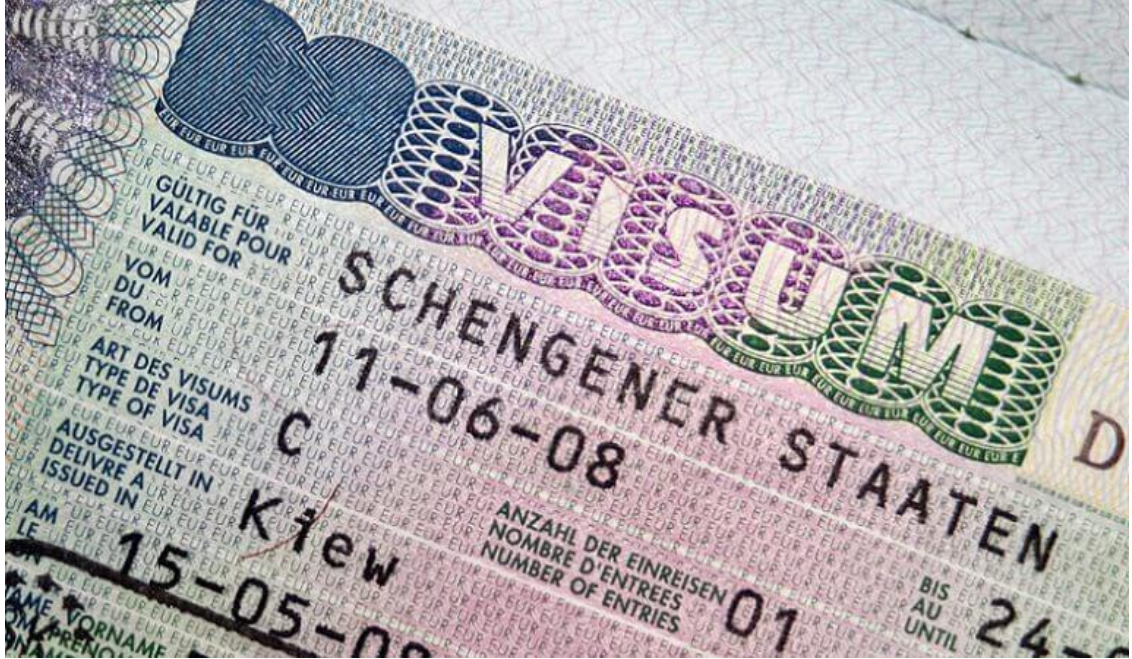
Your European dream is closer than you think—but one missing document could end it before it begins.
Introduction
You’ve checked every box: the visa application form is complete, your bank statements are in order, flight itineraries are booked, and hotel reservations are confirmed. Then you receive the dreaded email—visa denied. The reason? Your Schengen Visa Travel Insurance didn’t meet the minimum coverage requirement.
This scenario plays out thousands of times every year. In 2024 alone, Schengen consulates worldwide rejected over 1.7 million visa applications. A significant portion of these rejections stemmed from inadequate or non-compliant travel insurance documentation. For applicants from Africa and the Global South, where every application fee and embassy visit represents a major financial investment, such a rejection isn’t just disappointing—it’s devastating.
However, here’s the reality: getting approved for your Schengen visa doesn’t have to be complicated. The European Union has established clear, precise requirements for Schengen Visa Travel Insurance, and understanding these requirements puts you ahead of 80% of applicants who submit incomplete or non-compliant documentation.
This guide will walk you through everything you need to know—from the exact coverage amounts mandated by EU regulations to comparing the best insurance providers, avoiding common pitfalls, and ensuring your certificate gets accepted by any Schengen embassy or consulate worldwide.
What Exactly Is Schengen Visa Travel Insurance?
Before diving into requirements and costs, it’s essential to understand what you’re actually purchasing and why every Schengen consulate demands it.
Schengen Visa Travel Insurance is a specialized form of international health insurance designed specifically for travelers entering the 29-country Schengen zone. Unlike standard travel insurance that might cover trip cancellations or lost luggage, this policy focuses primarily on protecting you—and the host country—from the financial burden of medical emergencies abroad.
The Schengen zone operates as a single territory for immigration purposes. This means a policy purchased for Germany must automatically cover you in France, Italy, Spain, and every other member state. You cannot purchase country-specific coverage; your insurance must be valid across all 29 nations simultaneously.
Why do European authorities require this coverage? Healthcare in countries like Switzerland, Norway, and Germany ranks among the most expensive in the world. A single night in a German hospital can exceed €2,000. Emergency surgery could cost €50,000 or more. Without mandatory health coverage, foreign visitors who fall ill would either face catastrophic personal debt or burden European healthcare systems with unpaid bills.
The mandatory insurance requirement protects everyone: you receive guaranteed access to emergency medical care, and host countries ensure they won’t absorb costs from uninsured visitors.
What Are the Official Coverage Requirements?
The European Union codified travel insurance requirements under Article 15 of the EU Visa Code (Regulation EC No 810/2009). These aren’t suggestions—they’re legally mandated criteria that every insurance certificate must demonstrate.
Your Schengen Visa Travel Insurance must include:
- Minimum €30,000 coverage for emergency medical expenses, hospitalization, and urgent medical attention
- Repatriation of Remains Coverage to transport your body back to your home country in case of death
- Emergency Medical Evacuation Insurance to cover transport to the nearest adequate medical facility or back home if medically necessary
- Coverage across all 29 Schengen member states regardless of which country issued your visa
- Validity for the entire duration of your intended stay plus additional buffer days (some embassies require coverage to extend beyond your departure date)
The 29 Schengen countries your insurance must cover:
Austria, Belgium, Bulgaria, Croatia, Czech Republic, Denmark, Estonia, Finland, France, Germany, Greece, Hungary, Iceland, Italy, Latvia, Liechtenstein, Lithuania, Luxembourg, Malta, Netherlands, Norway, Poland, Portugal, Romania, Slovakia, Slovenia, Spain, Sweden, and Switzerland.
Critical detail many applicants miss: Your insurance certificate must explicitly state these coverage amounts and territories. An insurance policy that technically covers €30,000 but doesn’t clearly display this information on the certificate will likely result in rejection.
Embassy officials aren’t insurance experts. They check certificates against a simple checklist. If the required information isn’t immediately visible, your application gets flagged—regardless of what the actual policy covers.
AXA vs. Allianz: Comparing Two Leading Schengen Insurance Providers
When it comes to selecting your Schengen Visa Travel Insurance, two names dominate the market: AXA and Allianz. Both are globally recognized insurers with decades of experience, but they cater to different traveler profiles and budgets.
Understanding their differences helps you avoid paying out-of-pocket for medical emergencies while ensuring your visa application succeeds.
AXA Schengen Insurance Overview
AXA positions itself as the go-to provider for visa applicants who prioritize instant documentation and affordability. Their policies are explicitly designed around Schengen requirements, with certificates formatted specifically for embassy submission.
AXA Plan Options:
| Plan | Medical Coverage | Starting Price | Best For |
|---|---|---|---|
| Basic | €30,000 | €4.90/trip | Budget-conscious travelers meeting minimum requirements |
| Silver | €30,000 | €4.50/day | Domestic or short European trips |
| Gold | €50,000 | €6.35/day | Extended stays, includes baggage and cancellation coverage |
| Platinum | €100,000–€2,000,000 | Varies by trip length | Premium protection for expensive destinations |
AXA Strengths:
- Instant certificate download immediately after purchase
- Certificates formatted for embassy acceptance worldwide
- Full refund if visa is denied (with proof of rejection letter)
- 24/7 multilingual assistance hotline
- COVID-19 medical expenses covered on all plans
- Competitive pricing—often 15-25% below comparable Allianz plans
AXA Considerations:
- Maximum 90-day coverage on most plans (Annual plan available for frequent travelers)
- Some plans have deductibles ranging from €30–€50
Allianz Schengen Insurance Overview
Allianz is one of the world’s largest insurance conglomerates, known for comprehensive coverage and exceptional customer service during claims. Their Schengen-compliant policies exceed minimum requirements, making them ideal for travelers who want robust protection beyond visa approval.
Allianz Plan Options:
| Plan | Medical Coverage | Starting Price | Best For |
|---|---|---|---|
| Basic | €30,000 | ~€3/day | Visa compliance at minimum cost |
| Extra | €50,000 | ~€5/day | Enhanced medical and dental coverage |
| Gold | €100,000+ | ~€7/day | Maximum peace of mind with extended benefits |
Allianz Strengths:
- Global reputation recognized by virtually all embassies
- Comprehensive claims network with 30,000+ medical providers worldwide
- Excellent customer service ratings (4.7/5 across reviews)
- Coverage for search and rescue, lost documents, and legal assistance
- Annual multi-trip policies for frequent European travelers
Allianz Considerations:
- Generally higher premiums than AXA for equivalent coverage
- Website can feel overwhelming for first-time buyers
- Some regional plans have a maximum 90-day trip limit
The Verdict: Which Should You Choose?
Choose AXA if:
- You’re on a strict budget and need to meet the minimum coverage requirement
- You need instant certificate issuance for an urgent visa application
- You’re making a single short trip (under 30 days)
- You want a straightforward purchasing process with no complications
Choose Allianz if:
- You’re making multiple trips annually and want an annual policy
- You prefer higher coverage limits and comprehensive protection
- You have pre-existing conditions and need flexible coverage options
- You value established claims processing and 24/7 global support
Both providers offer legitimate, embassy-accepted Schengen Visa Travel Insurance. The “best” choice depends entirely on your travel profile, budget, and risk tolerance. Compare international health insurance quotes from both before making your final decision.
What Are the Common Mistakes That Get Your Insurance Rejected?
Even with a valid policy from a reputable provider, your visa application can still be rejected due to documentation errors. These mistakes are entirely preventable—yet they account for a significant percentage of insurance-related visa denials.
Mistake #1: Coverage dates don’t match your travel itinerary
Your insurance must cover every single day you’ll be in the Schengen zone, from entry to exit. If your flight lands on March 1st and departs on March 15th, your coverage must begin no later than March 1st and end no earlier than March 15th. Some embassies require an additional 15-day buffer beyond your departure date. Always check your specific embassy’s requirements before purchasing.
Mistake #2: Name on certificate doesn’t match passport exactly
If your passport reads “Mohammed Abdul Rahman” but your insurance certificate says “Mohamed A. Rahman,” expect problems. Embassy officials verify documents against your passport. Any discrepancy—even minor spelling variations—can trigger a rejection. Double-check every character before finalizing your purchase.
Mistake #3: Certificate doesn’t explicitly state €30,000 coverage
Some insurance providers issue certificates showing coverage in dollars, pounds, or other currencies. Others display coverage limits in confusing formats. Your certificate must clearly show “€30,000” or the equivalent phrase in a format the embassy recognizes. If your certificate shows “$35,000 USD” instead of euros, request a revised certificate or purchase from a different provider.
Mistake #4: Purchasing from unrecognized providers
Budget travel insurance from unknown companies might seem attractive, but if the embassy doesn’t recognize the provider, your application fails. Stick to established insurers like AXA, Allianz, Europ Assistance, or Mutuaide. These companies are pre-approved by Schengen consulates worldwide and their certificates are instantly recognizable to visa officers.
Mistake #5: Submitting an expired or outdated certificate
Insurance certificates have validity periods. If you purchased coverage three months ago for a trip that got rescheduled, your original certificate may no longer be valid. Always verify that your certificate’s dates align with your current travel plans before submission.
How Do You Submit Your Insurance Certificate Correctly?
Proper submission is just as important as purchasing the right policy. Follow this step-by-step process to ensure your documentation passes embassy scrutiny.
Step 1: Download your certificate immediately after purchase
Reputable providers like AXA and Allianz generate your insurance certificate instantly upon payment confirmation. Download the PDF immediately and save it in multiple locations—your computer, cloud storage, and email. Don’t rely on accessing it later; technical issues happen at the worst times.
Step 2: Verify all information before printing
Open the certificate and check every detail against your passport and visa application:
- Full name (exact spelling)
- Date of birth
- Passport number (if listed)
- Coverage dates (must encompass your entire trip)
- Coverage amount (minimum €30,000)
- Geographic coverage (must state “Schengen Area” or list all member states)
- Policy number and emergency contact information
Step 3: Print on clean, white A4 paper
Use a quality printer with fresh ink. Smudged, faded, or poorly printed certificates create unnecessary doubts. Print in color if your certificate includes colored elements like logos or stamps. Some embassies require original documents rather than photocopies—verify your embassy’s specific requirements.
Step 4: Keep digital and physical copies
Bring multiple printed copies to your visa appointment. Store digital copies on your phone for quick reference. If you’re applying through a visa application center (like VFS Global or TLScontact), they may scan and return your original—having backups prevents panic.
Step 5: Carry your certificate during travel
Your insurance certificate isn’t just for the visa application. Border officials may request proof of insurance upon entry. Hospitals will need your policy details in emergencies. Keep a copy in your carry-on luggage and save the emergency assistance number in your phone.
What Should You Do If Your Visa Is Denied?
A visa denial isn’t necessarily the end of your European plans. Understanding your options helps you respond strategically rather than emotionally.
First: Request a detailed explanation
Schengen regulations require consulates to provide written reasons for visa denials. This explanation reveals whether the rejection was insurance-related or caused by other factors (insufficient funds, weak ties to home country, incomplete documentation). Without knowing the exact reason, you can’t fix the problem.
Second: Claim your insurance refund
Most reputable Schengen insurance providers offer full refunds if your visa is denied. AXA, Allianz, and similar companies require proof of rejection—typically a copy of the official denial letter from the embassy. Submit your refund request promptly, as some providers have time limits (usually 30-60 days from the denial date).
Third: Consider an appeal
If you believe the denial was unjustified, you have the right to appeal. Appeals must be filed within specific timeframes (varies by country, typically 1-3 months). For complex cases involving insurance documentation disputes, consulting a certified immigration consultant or immigration lawyer for a free consultation can significantly improve your chances of success.
Fourth: Reapply with corrected documentation
If the denial was due to an insurance certificate error, purchasing a new compliant policy and reapplying is often faster than appealing. Ensure your new certificate addresses the specific issues mentioned in the rejection letter. Consider upgrading to a premium plan from a well-known provider to eliminate any doubts about legitimacy.
How Much Does Schengen Visa Travel Insurance Cost?
Insurance costs vary based on your age, trip duration, coverage level, and provider. However, understanding typical price ranges helps you budget accurately and avoid overpaying.
Budget-Friendly Options (€3–€5 per day):
Basic plans meeting minimum Schengen requirements typically cost between €3–€5 per day. For a two-week trip, expect to pay €40–€70 total. These plans cover the mandatory €30,000 medical expenses and repatriation but may have limited additional benefits.
Mid-Range Protection (€5–€8 per day):
Enhanced plans offering €50,000–€100,000 coverage with added benefits like baggage protection, trip cancellation, and dental coverage typically cost €5–€8 daily. A two-week trip would cost €70–€110. This range offers the best value for most travelers.
Premium Coverage (€8–€15+ per day):
Comprehensive plans with coverage exceeding €100,000, pre-existing condition coverage, and extensive trip protection benefits cost €8–€15 or more daily. These plans are ideal for elderly travelers, those with health conditions, or anyone visiting countries with expensive healthcare systems like Switzerland or Norway.
Money-Saving Tips:
- Purchase directly from provider websites rather than third-party aggregators
- Choose annual multi-trip policies if you’ll visit Europe more than twice yearly
- Compare international health insurance quotes from at least three providers before purchasing
- Avoid unnecessary add-ons (adventure sports coverage, rental car protection) unless you actually need them
- Book early—some providers offer discounts for advance purchases
Frequently Asked Questions About Schengen Visa Travel Insurance
Can I use my existing health insurance for a Schengen visa?
Generally, no. Most domestic health insurance plans don’t provide adequate coverage abroad and don’t meet Schengen-specific requirements. Even if your home country insurance offers international coverage, it likely won’t provide the official certificate format that embassies require. Purchase dedicated Schengen Visa Travel Insurance to avoid complications.
Does Schengen insurance cover COVID-19?
Most reputable providers now include COVID-19 medical expenses in their standard coverage. AXA, Allianz, and Europ Assistance all cover COVID-related hospitalization and treatment. However, coverage for trip cancellation due to COVID may vary—read your policy carefully if pandemic-related cancellation protection is important to you.
What if my trip is extended beyond my coverage dates?
You cannot renew Schengen travel insurance while your trip is already in progress. If you anticipate potential extensions, purchase coverage for the maximum possible duration from the start. Some providers offer policies up to 180 days for extended stays.
Is the insurance certificate available in languages other than English?
Most major providers issue certificates in English, which is accepted by all Schengen embassies. Some providers also offer certificates in French, German, Spanish, and other EU languages. English certificates are universally acceptable—there’s no need to request translations.
Can I get a refund if I cancel my trip?
Refund policies vary by provider. AXA offers full refunds if your visa is denied. Some providers allow cancellation within a “free look” period (typically 10-14 days after purchase) for any reason. After this period, refunds may be partial or unavailable. Always review the cancellation policy before purchasing.
Final Thoughts: Protecting Your European Dream
Schengen Visa Travel Insurance isn’t just a bureaucratic checkbox—it’s your financial safety net in one of the world’s most expensive healthcare regions. A single medical emergency without coverage could cost more than your entire trip budget. With coverage starting at just a few euros per day, the protection far outweighs the cost.
The key to success is straightforward: purchase from a recognized provider, verify your certificate meets all requirements, and submit documentation that matches your passport exactly. Whether you choose AXA for its affordability and instant certificates or Allianz for its comprehensive coverage and global reputation, both will get your visa approved and keep you protected abroad.
Don’t let a preventable documentation error derail months of planning. Compare international health insurance quotes today, purchase your policy with confidence, and focus on what really matters—experiencing everything Europe has to offer.
Your European adventure awaits. Make sure you’re protected from day one.
Disclaimer: This article provides general information about Schengen visa travel insurance requirements. Visa regulations change frequently, and specific requirements may vary by embassy and nationality. Always verify current requirements with your destination country’s embassy or consulate before applying. This content does not constitute legal or insurance advice.